How Changes in Bet Button Design Influence Spin Frequency
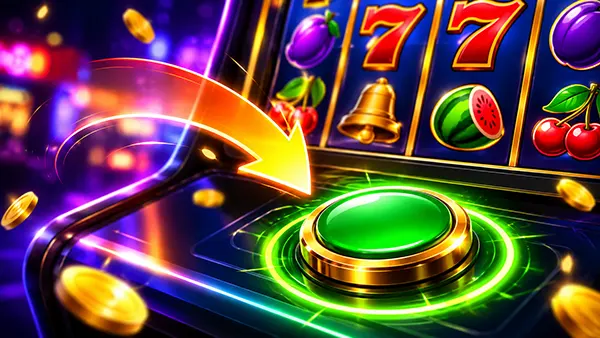
The design of a slot machine interface affects far more than its visual appearance. One of the most influential elements is the bet button, which serves as the primary point of interaction between the player and the game. Casino operators and game developers continuously test different button sizes, colours, positions and animations to understand how these changes affect player behaviour. By 2026, user experience research in iGaming has shown that even small adjustments to interface elements can have measurable effects on the number of spins completed during a gaming session.
The Role of Visual Attention in Bet Button Interaction
Modern slot games compete for a player’s attention through multiple visual elements, including reels, bonus indicators, balance displays and promotional messages. The bet button is often designed to stand out from the surrounding interface because it controls the action that starts each spin. Studies in user interface design have demonstrated that users naturally focus on larger, high-contrast elements before examining secondary controls.
When developers increase the visibility of the bet button through brighter colours or stronger contrast, players generally require less time to locate and activate it. This reduction in decision-making time can lead to a higher number of spins per minute, particularly on mobile devices where screen space is limited and interface clarity becomes more important.
Game providers frequently conduct A/B testing to compare different button designs. Results often show that players interact more quickly with clearly identifiable controls. Although the difference between designs may appear minor, a reduction of even a fraction of a second between spins can significantly increase total spin frequency during longer sessions.
How Colour and Size Affect Player Response
Colour psychology plays a significant role in interface design. Bright colours such as green, blue and orange are commonly used because they remain highly visible against dark casino backgrounds. The goal is not merely decoration but the creation of a clear visual cue that guides user interaction.
Button size also influences behaviour. Larger buttons are easier to tap accurately, particularly on smartphones and tablets. When players can activate a spin with less effort and fewer mistakes, interaction becomes smoother and more efficient. This often contributes to a faster gameplay rhythm.
However, designers must balance visibility with usability. Excessively large or overly animated buttons can distract users or create interface clutter. Successful designs typically achieve a balance between prominence and simplicity, allowing players to find controls quickly without overwhelming the screen.
The Impact of Animation and Feedback Mechanisms
Many modern slot games use animated bet buttons that respond instantly when touched. These animations may include subtle scaling effects, lighting changes or short visual pulses. Such feedback confirms that the action has been registered, reducing uncertainty and improving the overall user experience.
Immediate feedback is especially important in fast-paced games. If players receive a clear indication that their input has been recognised, they are less likely to hesitate before initiating the next spin. Over time, this can contribute to a measurable increase in spin frequency across gaming sessions.
By 2026, most major game developers incorporate micro-interactions into their interfaces. These small design details help create a smoother flow between actions, encouraging consistent engagement while reducing interruptions caused by uncertainty or delayed responses.
Why Response Time Matters
The relationship between interface responsiveness and player behaviour has been widely studied across digital products. In online casino games, delays of even a few hundred milliseconds can influence how users perceive the quality and speed of gameplay.
When the bet button reacts immediately after being pressed, players maintain their focus on the game rather than questioning whether the command was executed. This uninterrupted flow often results in shorter intervals between spins and a more continuous gaming experience.
Developers therefore invest considerable resources into optimising interface performance. Faster response times not only improve usability but also contribute to higher engagement levels, particularly among mobile users who expect near-instant interaction from modern applications.
Mobile-First Design and Changing Player Behaviour
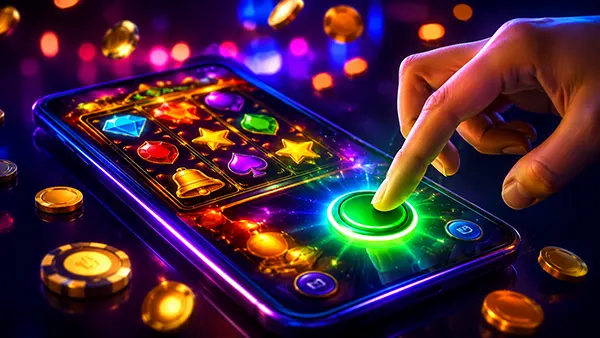
The growth of mobile gaming has significantly influenced how bet buttons are designed. In 2026, a majority of online casino traffic originates from smartphones, making thumb-friendly controls a central consideration during game development.
Designers now position critical controls within natural thumb-reach zones to reduce physical effort. When players can comfortably access the bet button without adjusting their grip, interaction becomes faster and more intuitive. This ergonomic improvement often translates into a greater number of completed spins.
Mobile-first interfaces also prioritise simplicity. Many contemporary slot layouts minimise unnecessary controls and place the spin or bet button in a prominent position. This streamlined approach reduces cognitive load and allows players to navigate games more efficiently.
The Future of Bet Button Optimisation
Artificial intelligence and behavioural analytics are increasingly influencing interface design decisions. Developers can analyse large volumes of anonymous interaction data to identify which button styles generate the smoothest user experience and the highest engagement rates.
Personalisation may become a more common feature in future casino products. Some interfaces could adapt button size, positioning or visual emphasis based on device type and individual usage patterns, creating a more comfortable interaction environment for different players.
Although the bet button may appear to be a small component of a slot game, its design has a direct effect on usability, engagement and spin frequency. As user experience research continues to evolve, developers are likely to place even greater emphasis on refining this seemingly simple but highly influential element of casino game interfaces.